
Carbon Monoxide Safety for Heating Season in Southern MD

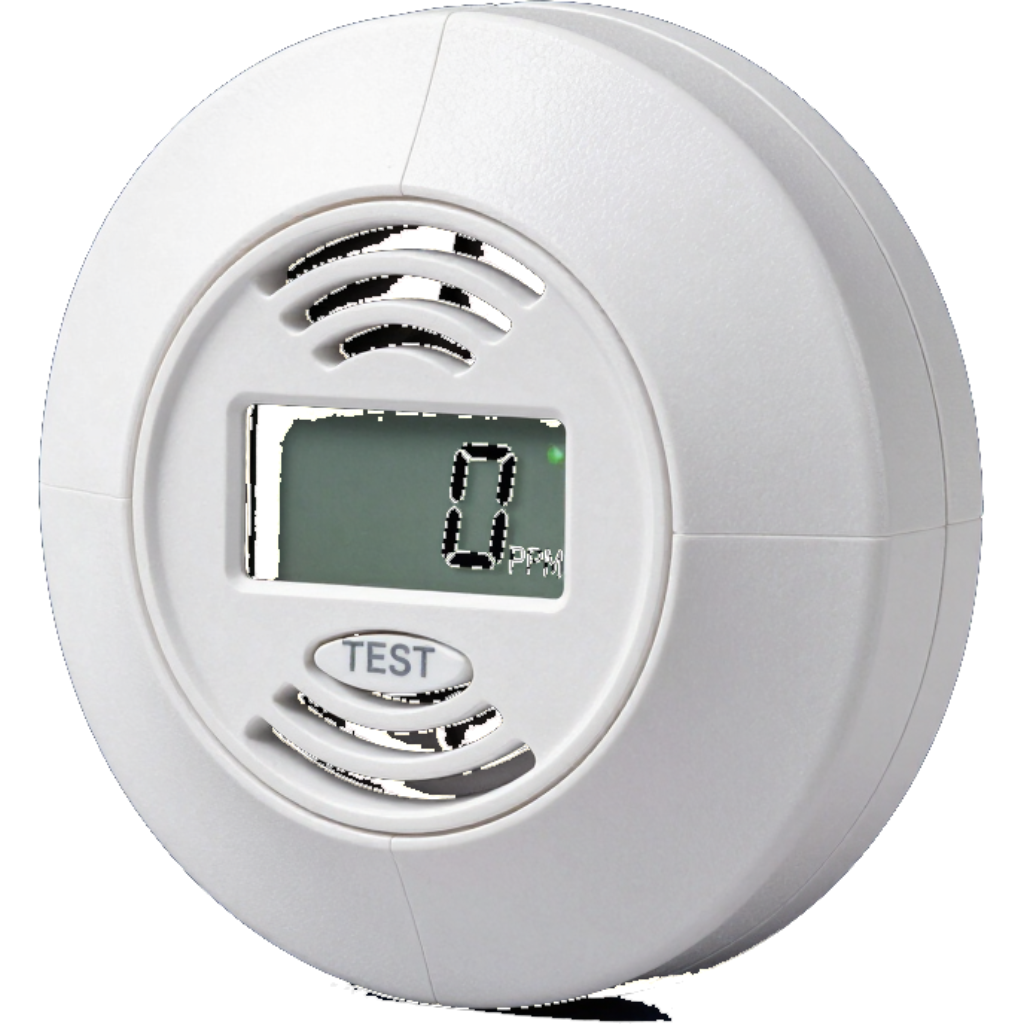
November in Southern Maryland means the furnace kicks on for the season, the fireplace gets its first fire, and the oven runs all day for Thanksgiving with a house full of guests. It's one of the coziest times of year, and it's also when carbon monoxide (CO) risk goes up. CO is a colorless, odorless gas, so you can't see it or smell it. Here's what every homeowner should know before the holidays, and how a quick heating system check helps keep your family safe.

1. Where Carbon Monoxide Comes From

Carbon monoxide is produced when fuel burns. In a typical Southern Maryland home, common sources include:

  • Gas, oil, or propane furnaces and boilers
  • Gas water heaters
  • Gas stoves and ovens
  • Fireplaces and wood stoves
  • Portable generators and gas-powered equipment
  • Cars running in an attached garage

When these appliances are working properly and venting correctly, CO safely leaves the house. Problems start when something goes wrong: a cracked heat exchanger, a blocked flue or chimney, a disconnected vent pipe, or equipment used in an enclosed space.

2. Why Heating Season Raises the Risk

Many fuel-burning furnaces and boilers sit idle all summer. When they start up again in the fall, any damage, rust, or blockage that developed over the off-season can suddenly matter. Birds and other critters also like to nest in chimneys and vent pipes during the warmer months.

At the same time, we close windows and doors to keep the heat in, which means less fresh air moving through the house. Add holiday cooking and extra people, and it's easy to see why fall and winter are peak season for CO problems.

3. Warning Signs to Watch For

CO poisoning symptoms are often mistaken for the flu or a cold. Watch for:

  • Headache, dizziness, or weakness
  • Nausea or vomiting
  • Shortness of breath or confusion
  • Symptoms that improve when you leave the house and return when you come back
  • Several people, or pets, feeling sick at the same time

Your home can give you clues too: soot or yellow-brown staining around appliances, a yellow or flickering burner flame instead of a steady blue one, excess moisture on windows near heating equipment, or a furnace that seems to run constantly without heating well.

If your CO alarm sounds or anyone has symptoms, get everyone outside to fresh air right away and call 911. Don't go back in until emergency responders say it's safe. Then call an HVAC professional before using the equipment again.

4. How to Protect Your Home

  1. Install CO alarms. Put one on every level of your home and outside each sleeping area. Follow the manufacturer's placement instructions.
  2. Test them monthly and replace batteries as needed. CO alarms also wear out, so check the replacement date printed on the unit.
  3. Schedule a heating tune-up. A technician can check for cracks, leaks, proper venting, and safe combustion before you rely on the system all winter.
  4. Keep vents and chimneys clear. Make sure outdoor vent terminals aren't blocked by leaves, snow, or landscaping, and have your chimney inspected before the first fire.
  5. Never run a generator indoors. That includes the garage, even with the door open. Keep portable generators well away from doors, windows, and vents.
  6. Don't use the oven or stove to heat your home, and never warm up a car in an attached garage.

5. Holiday Hosting Tips

If you're hosting Thanksgiving, a few extra steps go a long way. Run the range hood fan while cooking, test your CO alarms the week before guests arrive, and make sure guest rooms, especially basements or bonus rooms near the furnace, are covered by an alarm. If your heating system has been acting up, have it looked at before the house is full.

Planning to keep the lights and heat on through winter storms? A professionally installed standby generator runs safely outside your home and switches on automatically. Learn more in our Standby vs. Portable Generators guide.

Frequently Asked Questions

Can a furnace leak carbon monoxide?

Yes. Fuel-burning furnaces can release CO if there's a cracked heat exchanger, a blocked flue, or a venting problem. Annual inspections help catch these issues early.

Do heat pumps produce carbon monoxide?

An all-electric heat pump doesn't burn fuel, so it doesn't produce CO. However, homes with heat pumps may still have gas appliances, fireplaces, attached garages, or a backup gas furnace, so CO alarms are still important.

Where should I put carbon monoxide detectors?

Install CO alarms on every level of the home and outside each sleeping area, following the manufacturer's instructions.

How often should my heating system be inspected?

Once a year, ideally in the fall before heating season, is the general recommendation for fuel-burning furnaces and boilers.

Stay Warm and Safe This Season

Since 1987, Simmons Heating & Air Conditioning has helped families across St. Mary's, Calvert, and Charles Counties stay comfortable and safe. Our technicians can inspect your furnace, boiler, or heat pump system and make sure everything is running safely before the holidays.

Call 301-373-4780 or contact us online to schedule your heating safety inspection. You can also explore our heating and cooling services and water heater and boiler services.

Share this article

Recent Posts

heat pump
By Deborah Naugle • October 3, 2026
Heat pump blowing cool air in a Southern MD cold snap? Learn what's normal, what's not, and when to call Simmons Heating & Air in Calvert, Charles & St. Mary's.

blue piggy bank
By Deborah Naugle • September 9, 2026
Stay warm and save money this winter in Southern Maryland with expert HVAC tips from Simmons Heating & Air. Schedule a tune-up and winterize your system today.
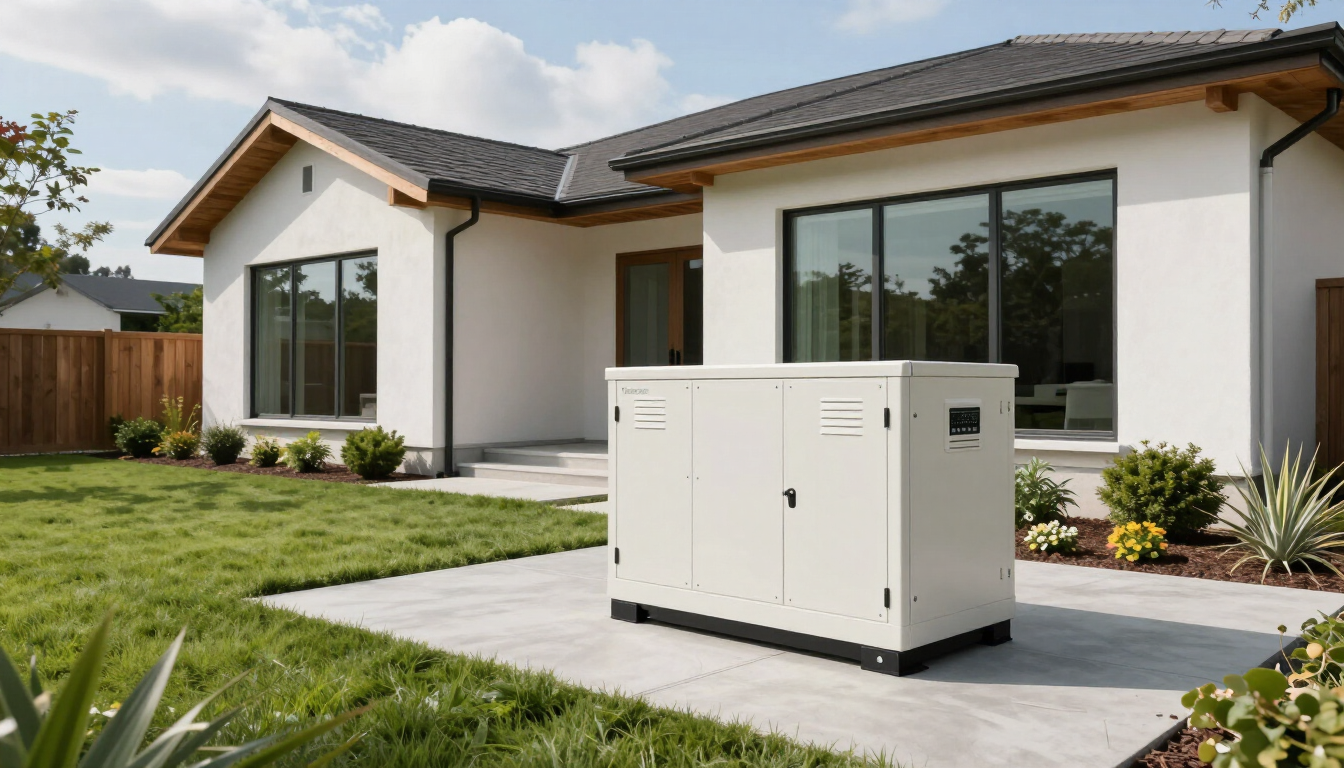
Standby generator providing power to a home during a storm
August 5, 2026
Compare standby vs. portable generators for your Calvert County home. Learn about automatic power, safety, and why Generac standby units offer better value.
A sleek ductless mini split unit installed in a traditional Maryland home.
August 4, 2026
Learn how ductless mini splits offer efficient, non-invasive heating and cooling for older St. Marys County homes, with zoning and preservation benefits.
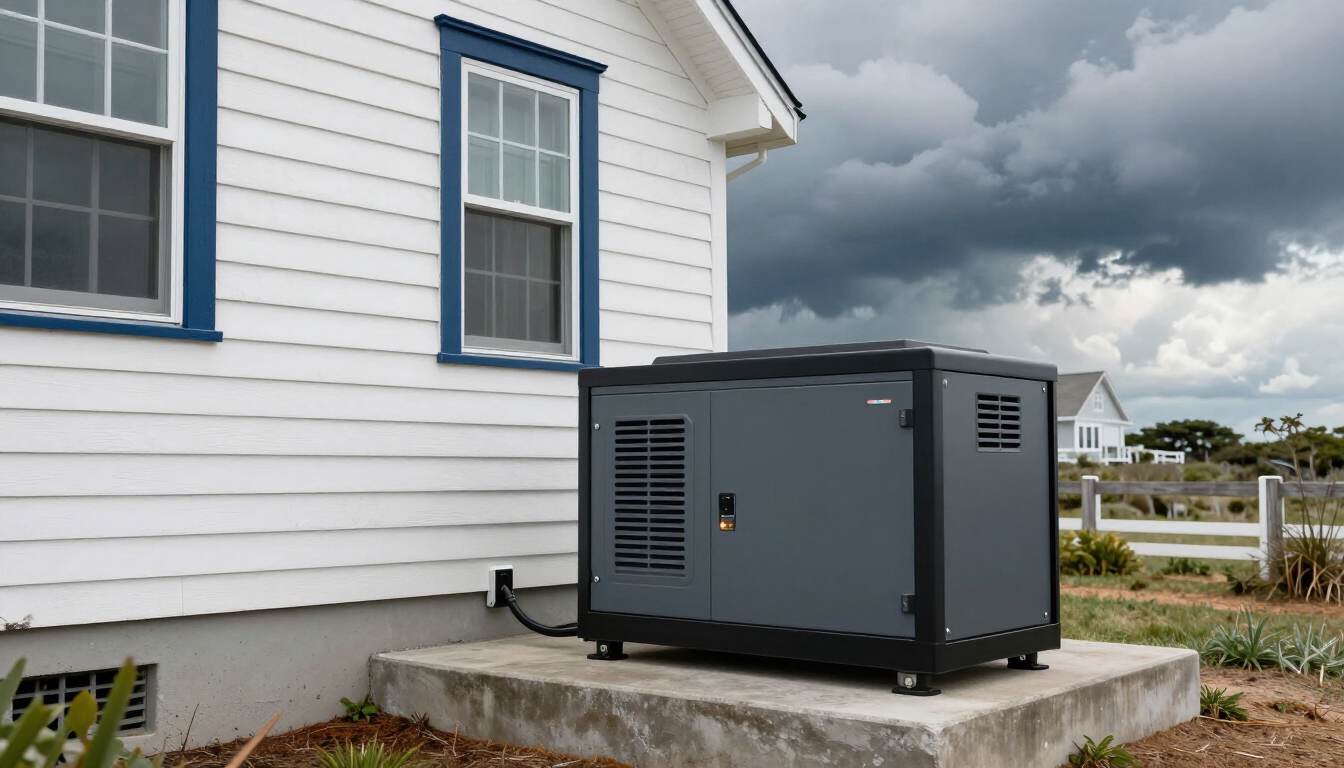
Backup generator for Southern Maryland hurricane readiness
August 3, 2026
Ensure your home is storm-ready with our Southern MD generator readiness guide. Expert tips for Calvert, Charles, and St. Mary's hurricane season prep.

A well-maintained home exterior highlighting the importance of property care during Homeownership Month.
June 3, 2026
Celebrate National Homeownership Month this June by learning how HVAC maintenance protects your investment, boosts comfort, and saves money in Southern MD.
A professional HVAC technician servicing an outdoor AC unit in Southern MD.
June 3, 2026
Celebrate National HVAC Tech Day on June 22! Recognizing Southern MD's trusted experts at Simmons Heating & Air Conditioning for reliable, expert climate control.

a person on couch sick because of a cold house
By Deborah Naugle • April 16, 2026
Sometimes a heating unit in Southern MD can become inefficient, and it may be time to consider a new system . Contact Simmons Heating And Air Conditioning.

heating and cooling system checklist
By Deborah Naugle • April 16, 2026
Ensure the longevity and efficiency of your HVAC system with our comprehensive inspection and preventive maintenance checklist. Trust Simmons HVAC Repair.
white metal radiator
By Deborah Naugle • April 16, 2026
Have you ever wondered if your heater is energy efficient? This article, we'll explore three simple ways to determine if your heating system is energy efficient

Show More