
The first real cold snap of November rolls into Southern Maryland, you crank up the thermostat, hold your hand to the vent, and think: that doesn't feel very warm. Maybe you even step outside and see steam pouring off the outdoor unit. Before you panic, take a breath. Some of what you're noticing is completely normal heat pump behavior. Some of it isn't. Here's how to tell the difference, and when it's time to call Simmons Heating & Air Conditioning.
1. Heat Pump Air Feels Cooler Than Furnace Air
A gas or oil furnace pushes out very hot air in short bursts. A heat pump works differently. It moves heat from the outdoor air into your home, and the air it delivers is warm but not hot. Because that air is usually cooler than your own body temperature, it can feel "cool" on your hand even while it's steadily warming the house.
Heat pumps also run in longer, gentler cycles than furnaces. If your home is holding the temperature on the thermostat, your system is most likely doing exactly what it was designed to do.
2. The Defrost Cycle Is Normal
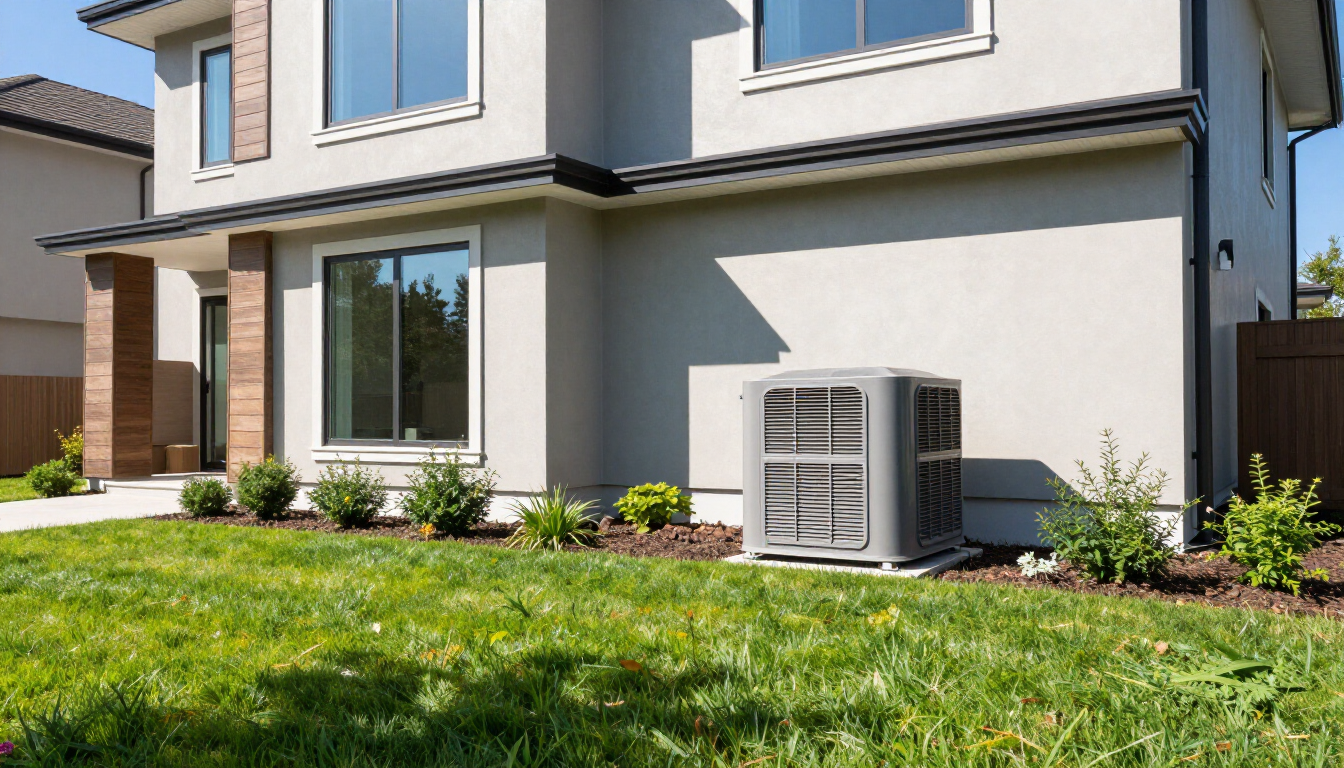
On damp, near-freezing mornings, which Southern Maryland gets plenty of thanks to the Bay and the Patuxent and Potomac rivers, frost builds up on your outdoor coil. To clear it, the heat pump briefly switches into defrost mode. During defrost you may notice:
- Cooler air from the vents for a few minutes
- The outdoor fan stopping
- Steam rising from the outdoor unit
- A "whoosh" sound when the cycle starts and ends
Defrost usually lasts several minutes and then normal heating resumes. Many systems turn on backup heat during defrost so you barely notice. That's normal. What's not normal is an outdoor unit that stays encased in ice for hours.
3. Understanding Auxiliary and Emergency Heat
Most heat pumps in our area have a backup heat source, often electric heat strips, sometimes a gas furnace in a dual-fuel setup. When temperatures drop low enough that the heat pump can't keep up on its own, auxiliary ("AUX") heat kicks in automatically to help.
Emergency heat ("EM HEAT") is different. It shuts off the heat pump and runs only the backup heat. It's meant for true emergencies, like a failed outdoor unit, because electric backup heat costs much more to run. If you see EM HEAT on your thermostat and you didn't turn it on, or AUX heat seems to run constantly in mild weather, that's worth a service call.
4. Signs Something Is Actually Wrong
Call a technician if you notice any of these:
- Cold air from the vents for long stretches, not just a few minutes of defrost
- The house can't reach the thermostat setting on a moderately cold day
- Thick ice covering the whole outdoor unit that doesn't clear
- The outdoor fan or compressor won't run at all
- Grinding, squealing, or loud banging noises
- A sudden jump in your electric bill with no change in weather or habits
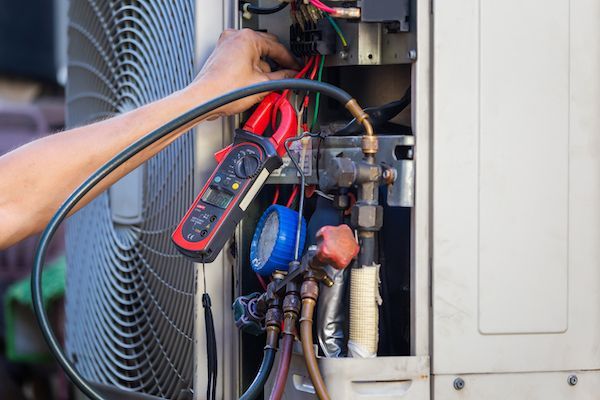
These can point to low refrigerant, a failed defrost control or sensor, a reversing valve problem, or a thermostat issue. These are repairs that need a trained technician, not a DIY fix.
5. Quick Checks Before You Call
A few simple things are worth checking first:
- Thermostat: Make sure it's set to HEAT (not COOL or EM HEAT) and that the fan is on AUTO. A fan set to ON will blow room-temperature air between heating cycles.
- Air filter: A clogged filter chokes airflow and can make the whole system struggle. Replace it if it's dirty.
- Breakers: Check that the breakers for the indoor and outdoor units haven't tripped.
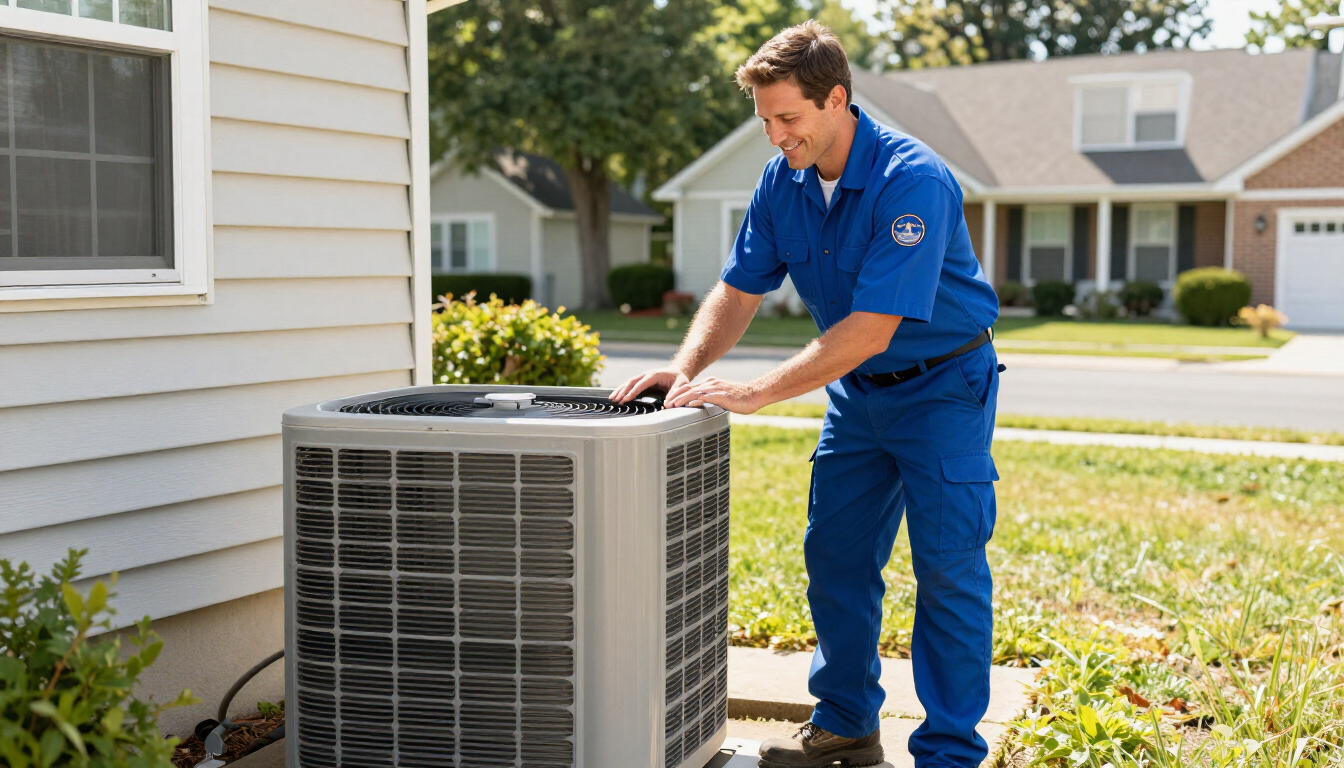
- Outdoor unit: Clear away leaves, mulch, or snow so the unit can breathe. Never chip ice off the coil with a tool, because you can puncture the refrigerant lines.
6. A Fall Tune-Up Prevents Most Winter Surprises
Many winter heat pump calls trace back to things a routine tune-up catches early: worn electrical parts, dirty coils, low refrigerant, or a defrost sensor on its way out. If your system hasn't been checked yet this season, November is a great time to get on the schedule before the coldest weeks of December and January. You can read more in our Fall HVAC Tune-Ups guide and our Winter Home Prep Checklist.
Frequently Asked Questions
Is it normal for my heat pump to blow cool air in winter?
Briefly, yes. During a defrost cycle, or because heat pump air simply feels cooler than furnace air, you may notice cooler air. Long periods of cold air, or a home that can't stay warm, are not normal and should be checked.
Why is there steam coming from my outdoor heat pump?
Steam is usually the defrost cycle melting frost off the outdoor coil. It's normal and typically stops within several minutes.
Should I use emergency heat when it gets really cold?
Generally, no. Your system will bring on auxiliary heat automatically when it needs help. Emergency heat is for when the outdoor unit has failed, and it costs more to run.
How often should a heat pump be serviced in Southern Maryland?
Because a heat pump both heats and cools, it works year-round. Twice-a-year service, once in spring and once in fall, is the usual recommendation.
Keep Your Home Warm This Winter
Simmons Heating & Air Conditioning has kept Southern Maryland homes comfortable since 1987, serving St. Mary's, Calvert, and Charles Counties from our home base in Hollywood, MD. If your heat pump is blowing cold air, icing up, or just not keeping up, our technicians can find the cause and get your heat back on track.
Call 301-373-4780 or contact us online to schedule heat pump service or a winter tune-up. You can also learn more about our heating and cooling services.
Share this article