
A standby generator is a permanent backup power solution that automatically activates during an outage, while a portable generator is a mobile unit requiring manual setup and fuel. For Calvert County homeowners seeking seamless, high-capacity power for whole-house comfort, a standby generator is the superior, maintenance-free choice.
Living in Southern Maryland, particularly in areas like Calvert County, Charles County, and St. Mary’s County, means dealing with unpredictable weather. From heavy summer thunderstorms to winter ice storms, power outages are a frequent reality. When the lights go out, the debate usually settles on one question: should you invest in a standby generator or stick with a portable one?
At Simmons Heating and Air Conditioning, we have been helping local families navigate these choices since we became a certified Generac dealer in 2004. Understanding the nuances of these systems is critical for your home’s safety and your family’s comfort. Below, we break down everything you need to know about standby generators versus their portable counterparts.
What are the primary differences between standby and portable generators?
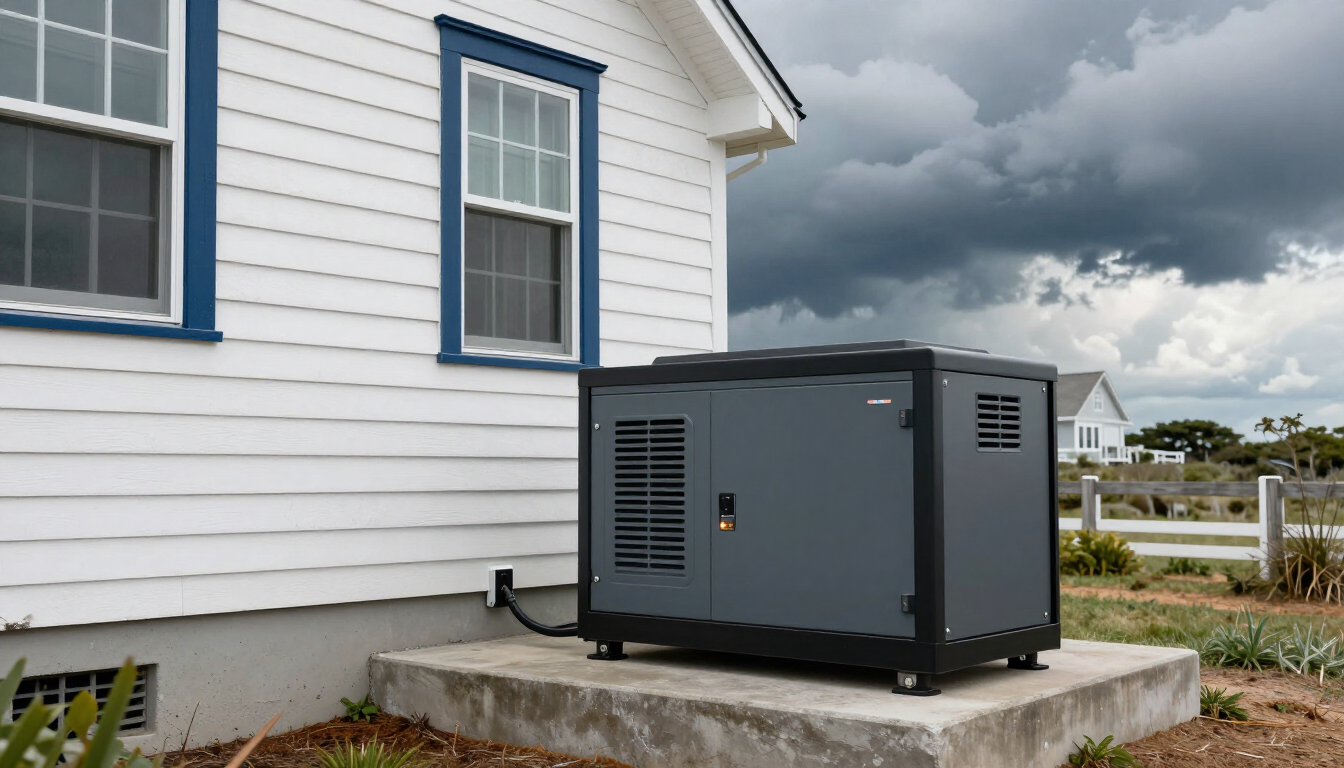
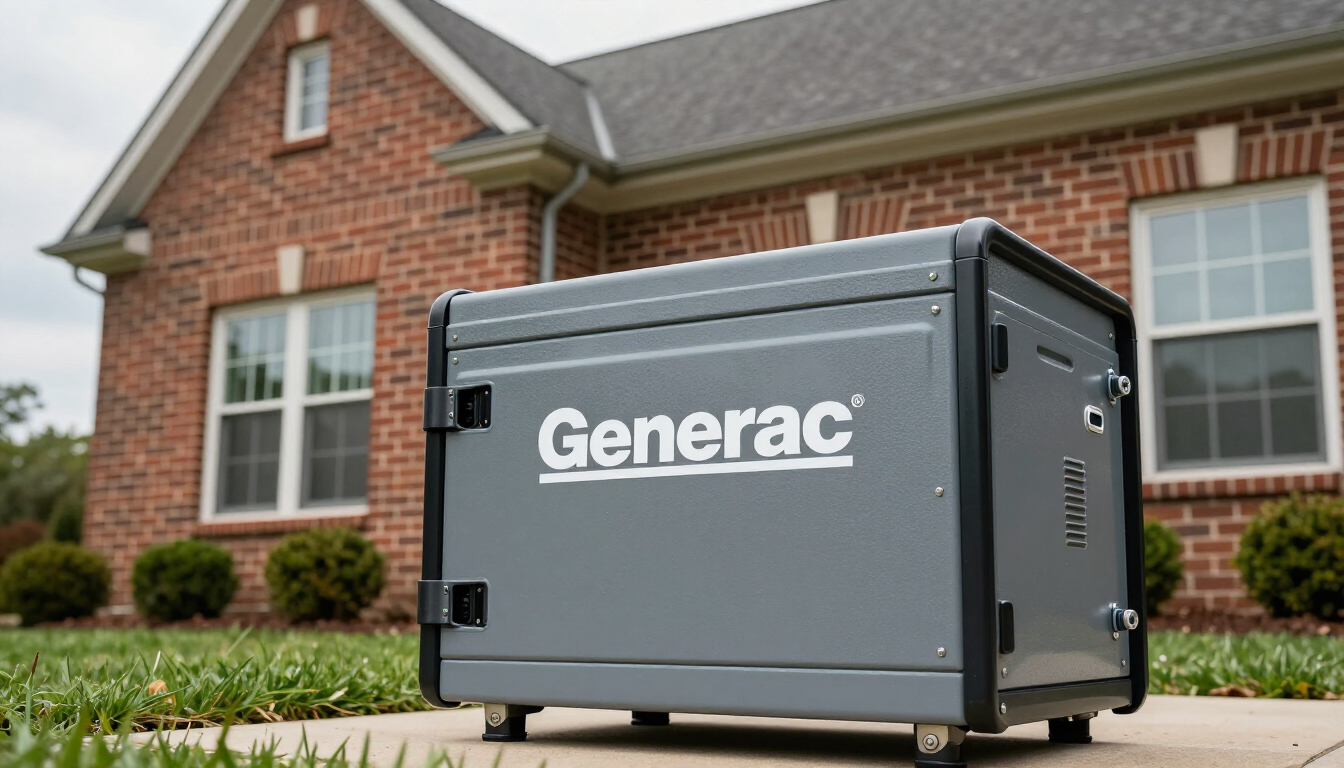
The most significant difference between the two systems is the level of automation and the fuel source. A standby generator is professionally installed outside your home, much like an air conditioning unit. It is connected directly to your home's electrical panel and its fuel supply, which is typically natural gas or liquid propane. The moment the power grid fails, an automatic transfer switch (ATS) detects the loss, starts the generator, and transfers the electrical load—all within seconds.
In contrast, a portable generator is a manual system. It usually runs on gasoline, which must be stored safely and replenished frequently during an extended outage. When the power goes out, you must physically move the generator outside, start it, and run heavy-duty extension cords to your appliances or plug it into a pre-installed manual transfer switch.
Key Comparison Points:
- Activation: Standby is automatic; Portable is manual.
- Fuel: Standby uses existing gas lines; Portable requires stored gasoline.
- Capacity: Standby can power the entire home; Portable usually powers select appliances.
- Maintenance: Standby performs self-tests; Portable requires manual checks and stabilization of old fuel.
- Weather Resistance: Standby is housed in a permanent, weather-proof enclosure; Portable requires protection from rain/snow while running.
Why is a standby generator better for Calvert County weather?
Calvert County’s geography makes it susceptible to unique weather patterns. Being a peninsula, we often face high winds and coastal flooding that can knock out power for days. In these scenarios, a standby generator provides a level of security that a portable unit simply cannot match.
Imagine a winter storm in St. Mary’s County where temperatures drop below freezing. If you are away from home or unable to move a heavy portable generator through the snow, your pipes could freeze, and your heating system will fail. A standby generator eliminates this risk by engaging automatically, whether you are home, asleep, or out of town.
Furthermore, during the humid Maryland summers, a standby generator has the capacity to run your central air conditioning system. Most portable generators struggle to handle the high "startup" wattage required by modern HVAC units. For those who rely on medical equipment or work from home, the seamless transition provided by a standby unit ensures that there is never a gap in productivity or health safety.
How much power do you actually need during an outage?
Sizing is the most critical step in choosing a generator. At Simmons, we service units ranging from 7kW to 150kW, covering everything from small cottages to large commercial enterprises. The average Calvert County home typically requires a unit in the 14kW to 26kW range to maintain a standard lifestyle during an outage.
To determine your needs, you must categorize your electrical loads:
- Essential Loads: Well pumps (critical in rural Southern MD), refrigerators, freezers, and basic lighting.
- Comfort Loads: Air conditioning, heating systems, and water heaters.
- Convenience Loads: Television, Wi-Fi routers, microwave, and dishwasher.
A standby generator allows you to "manage" these loads automatically. For example, a 22kW Generac unit can often power a whole house, including the AC, without you having to pick and choose which lights to turn on. If you opt for a portable unit, you are often limited to 5kW or 8kW, which means you might have to choose between keeping your food cold or keeping your home cool.
Understanding the Cost vs. Value Equation
There is no denying that the initial investment for a standby generator is higher than a portable one. A high-quality portable generator might cost between $600 and $2,500. However, when you factor in the cost of a manual transfer switch, heavy-duty cords, and the ongoing cost and hassle of gasoline, the gap begins to close.
A standby generator is an investment in your property's value. Real estate experts often note that homes in Southern MD with permanent backup power sell faster and at a premium. You are not just buying a piece of machinery; you are buying an insurance policy against food spoilage, basement flooding (from failed sump pumps), and the cost of hotel stays during long-term outages.
When you consider that Simmons Heating and Air Conditioning has been a Generac dealer for over two decades, you are also investing in expert installation and long-term maintenance. We don't just We don't just sell you a generator and leave. Our technicians handle every step, from calculating your home's exact load requirements to coordinating the natural gas or propane hookup, pulling the necessary permits, and scheduling the annual maintenance visits that keep your warranty intact. That kind of ongoing relationship is worth more than the sticker price difference once you consider what's actually at stake during a week-long outage.
Making the Right Choice for Your Home
For most Calvert County homeowners, the decision ultimately comes down to how much risk you're willing to accept. A portable generator can be a reasonable stopgap for short outages if you're home, healthy, and willing to manage fuel and cords by hand every few hours. But for families with young children, older adults, medical equipment, well pumps, or anyone who travels and can't guarantee they'll be home when the power goes out, a standby system removes the guesswork entirely.
Given how often Southern Maryland sees multi-day outages from hurricanes, nor'easters, and ice storms, a standby generator isn't just a convenience purchase—it's a practical safeguard for your home, your health, and your peace of mind.
Ready to Compare Your Options?
Whether you're leaning toward a whole-home standby system or just want an expert opinion on the right size and setup for your property, Simmons Heating and Air Conditioning can walk you through it. As a certified Generac dealer since 2004, we've sized and installed systems for homes across Calvert, Charles, and St. Mary's counties, and we know exactly what this region's weather demands from a backup power system.
Call Simmons Heating and Air Conditioning today at 301-373-4780, or contact us online to schedule a free generator consultation for your home.
Share this article